Transform Your Home with Expert Interior Design Guidance

Creating a home that feels comfortable, stylish, and uniquely yours can be a challenge. Many homeowners struggle with where to start, how to combine colors, or how to make the most of their space. Expert interior design guidance can transform your home, turning it into a place that reflects your personality and supports your lifestyle.
This post will walk you through practical steps and ideas to help you bring professional design insights into your home, no matter your budget or style preference.

Understand Your Space and Needs
Before making any changes, take time to assess your home’s layout and how you use each room. Ask yourself:
What activities happen here?
Who uses this space and how often?
What do I want to improve or change?
For example, a family room might need durable seating and storage for toys, while a home office requires good lighting and organization. Knowing your needs helps you prioritize design choices that improve daily life.
Define Your Style
Many people hesitate because they don’t know their style. Start by gathering inspiration from magazines, websites, or even places you visit. Notice what colors, textures, and furniture styles appeal to you.
Some popular styles include:
Modern: Clean lines, neutral colors, minimal decoration
Traditional: Classic furniture, warm colors, rich fabrics
Scandinavian: Light colors, natural materials, simple forms
Eclectic: Mix of styles, bold colors, unique pieces
Once you identify your preferred style, you can make design decisions that feel cohesive and intentional.
Choose a Color Palette
Color sets the mood of a room. Experts often recommend starting with a neutral base and adding accent colors. For example, soft gray walls with navy blue cushions and brass fixtures create a balanced look.
Try these tips:
Use the 60-30-10 rule: 60% dominant color, 30% secondary color, 10% accent color
Consider lighting: Natural light changes how colors appear
Test paint samples on your walls before committing
A well-chosen palette ties the room together and makes decorating easier.
Focus on Furniture Placement
How you arrange furniture affects flow and comfort. Avoid pushing all pieces against walls. Instead, create conversation areas or zones for different activities.
Here are some ideas:
Use rugs to define seating areas
Leave enough space to walk comfortably around furniture
Position sofas and chairs to face each other for socializing
Place a reading chair near a window or lamp
Good placement makes your home feel inviting and functional.
Add Layers with Textures and Accessories
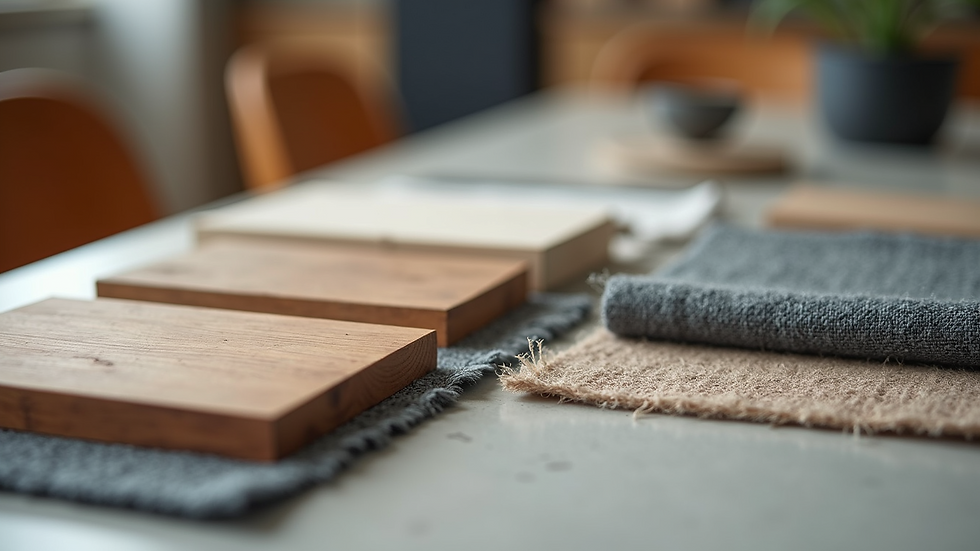
Texture adds depth and interest. Mix materials like wood, metal, fabric, and glass to create a rich environment.
Consider:
Throw pillows and blankets in different fabrics
Curtains or blinds that complement your style
Artwork or mirrors to personalize walls
Plants for natural color and freshness
Accessories let you express personality and can be changed easily to refresh a room.
Lighting Matters
Lighting impacts mood and usability. Combine different types of lighting:
Ambient: General overhead lights
Task: Focused lights for reading or cooking
Accent: Spotlights or lamps to highlight features
Use dimmers to adjust brightness and create atmosphere. Natural light should be maximized with sheer curtains or strategic mirror placement.
Practical Storage Solutions
Clutter can ruin even the best design. Incorporate smart storage that fits your lifestyle:
Built-in shelves or cabinets
Multi-functional furniture like ottomans with storage
Decorative baskets or boxes
Hooks and racks for entryways
Organized spaces feel larger and more peaceful.
Work with a Professional Designer
If you feel overwhelmed, a professional interior designer can help. They bring expertise in space planning, color theory, and sourcing materials. Even a single consultation can provide valuable direction.
When choosing a designer:
Look for someone who listens to your needs
Review their portfolio to ensure their style matches yours
Set a clear budget and timeline
A designer can save you time and money by avoiding costly mistakes.
DIY Tips for a Designer Touch
You don’t need to hire a pro for every change. Try these simple ideas:
Rearrange furniture for a fresh look
Paint an accent wall or update cabinet hardware
Swap out old light fixtures
Add new textiles like rugs or curtains
Small updates can make a big difference.
Budgeting Your Interior Design Project
Set a realistic budget before starting. Allocate funds for:
Furniture and decor
Paint and materials
Professional fees if applicable
Unexpected expenses
Track your spending to stay on target. Prioritize big-impact items first, like a sofa or lighting, then add smaller accessories over time.
Final Thoughts
Transforming your home with expert interior design guidance is about making thoughtful choices that improve how you live and feel in your space. Start by understanding your needs and style, then build your design step by step. Whether you work with a professional or take a DIY approach, the key is to create a home that feels comfortable, functional, and uniquely yours.
Take the first step today by assessing one room and imagining how it could better serve you. Your dream home is within reach.

Comments